QRious Theories
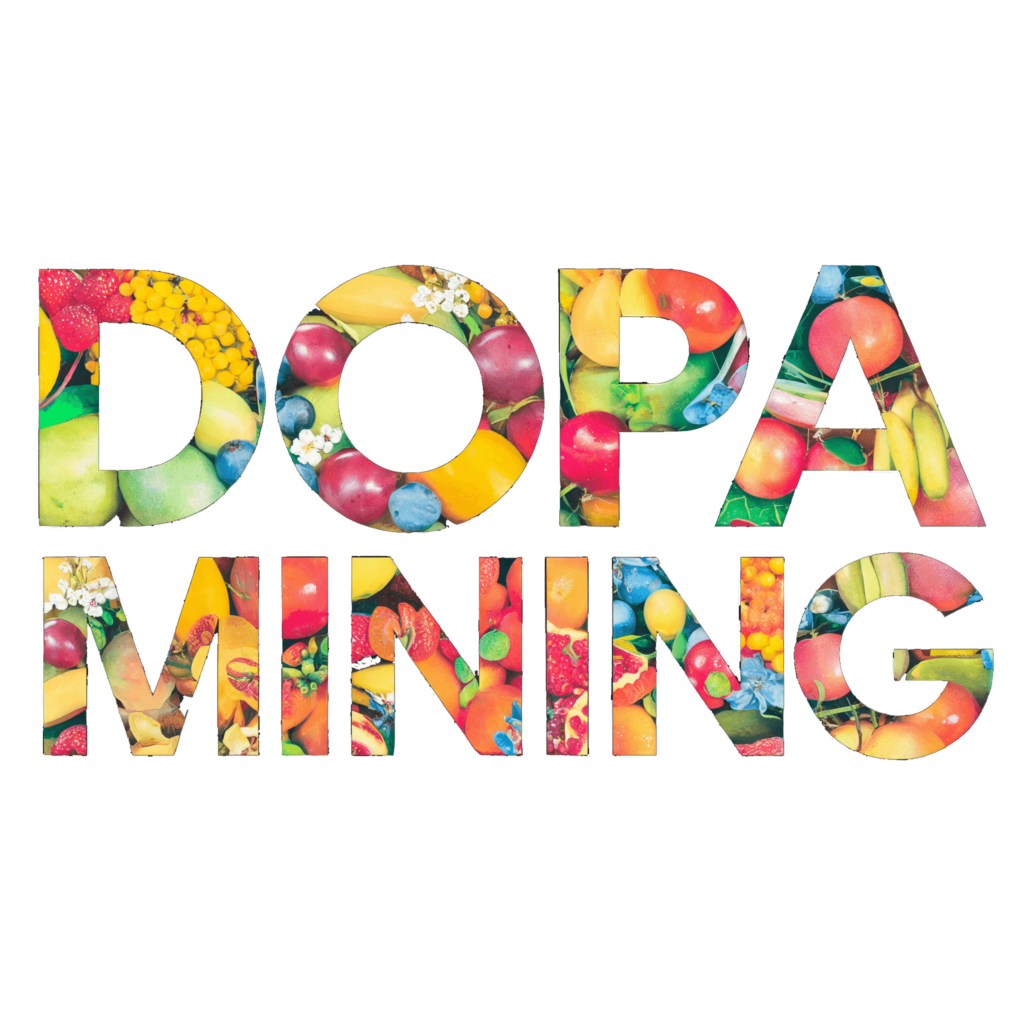
- The ADHD Dopamine Deficit: Brains with ADHD release less dopamine during routine tasks, making behaviors like procrastination, hyperfixation, and impulsivity natural coping mechanisms to seek stimulation.
- The Instant Gratification Trap: Social media, texting, and even online shopping exploit the ADHD brain’s craving for novelty, making it easy to fall into an endless loop of “easy dopamine hits” that ultimately drain focus.
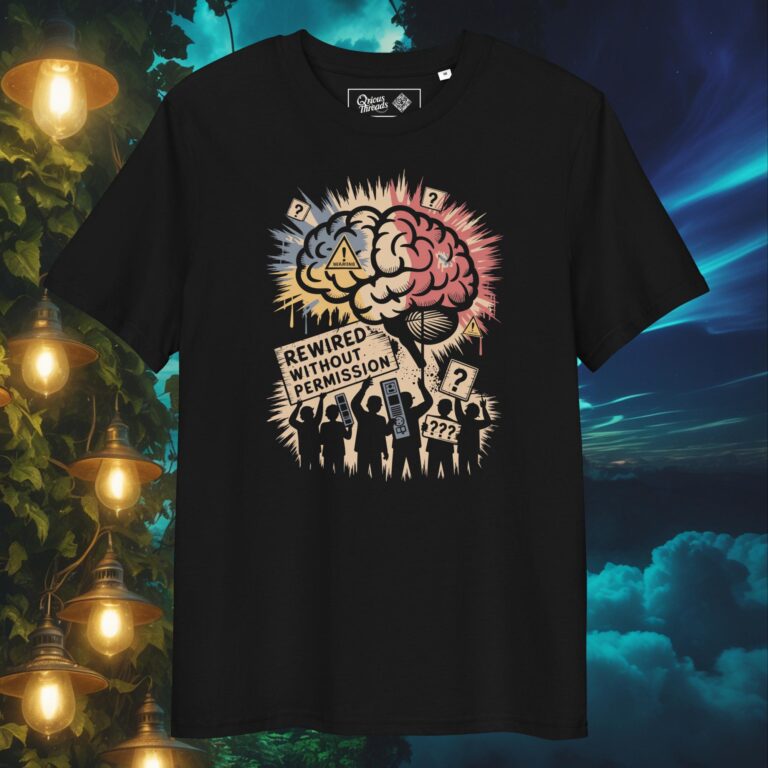
- Rewiring Rewards: Dopamine isn’t inherently harmful—understanding its role allows us to “reclaim” it through activities that promote long-term satisfaction, like exercise, creativity, or connecting deeply with others.
QRious Facts
- The ADHD brain is wired to seek stimulation and avoid boredom, as the **dopamine reward system** is less sensitive compared to neurotypical brains.
- Studies show that just **30 minutes of exercise** can boost dopamine levels and improve task motivation for up to 2 hours afterward.
- Apps like TikTok and Instagram are designed to exploit the brain’s natural addiction to novelty, delivering dopamine bursts every **15–30 seconds** with endless scrolling.
- Hyperfocus, a common ADHD trait, is linked to bursts of dopamine released during highly stimulating or highly enjoyable activities.
- Practices like mindfulness, meditation, and aerobic activities can help regulate dopamine levels in the long term, reducing reliance on instant gratification loops.
- Research suggests creating “micro-rewards”—small but satisfying rewards for completing tasks—can help bypass procrastination and maintain motivation.
“It’s not that ADHD brains can’t focus. It’s that we focus too much on things that feel good now, instead of what serves us long term.”
– Anonymous